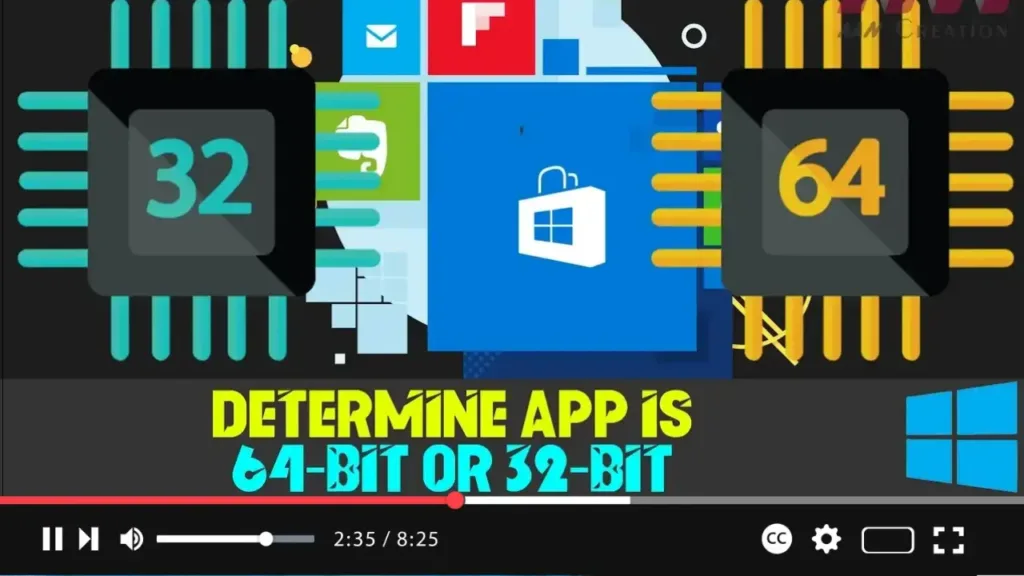

If you’re using the 64-bit version of Windows 10, you can run both 64-bit and 32-bit applications. However, for optimal performance, particularly with resource-intensive applications, it is advisable to use 64-bit versions whenever possible. This is because 64-bit applications can access more than 4GB of memory, which makes them more efficient and faster compared to 32-bit applications. Knowing whether an app is 64-bit or 32-bit can help you make decisions about upgrading apps to take full advantage of your system’s capabilities.
Windows 10 provides a straightforward way to check if an app is 64-bit or 32-bit using the Task Manager. Here’s a step-by-step guide to help you determine an app’s architecture using Task Manager.
Steps to Determine if an App is 64-bit or 32-bit Using Task Manager
Step 01: Open Task Manager
- Right-click on an empty space on the Taskbar and select Task Manager from the context menu. Alternatively, you can press Ctrl + Shift + Esc on your keyboard to open Task Manager directly.
Step 02: Switch to the Details Tab
- In the Task Manager window, click on the Details tab. This tab provides detailed information about the processes currently running on your system, including their architecture.
Step 03: Add the “Platform” Column
- Right-click on any of the column headers (such as Name or PID) within the Details tab to bring up a context menu.
- From the context menu, select Select columns. A new window will pop up with a list of available columns that you can add to the Details view.
.webp)
Step 04: Enable the Platform Column
- In the Select Columns window, scroll down and check the Platform option. This column will indicate whether each running process is 32-bit or 64-bit.
- Click the OK button to apply your changes and close the window.
Step 05: Review the Platform Information
- After adding the Platform column, you will see a new column in the Details tab labeled Platform.
- Check the entries under the Platform column:
- If an app is listed as 32-bit, it is running a 32-bit version.
- If an app is listed as 64-bit, it is running a 64-bit version.
Understanding the Results
Once you complete these steps, you’ll be able to see whether the applications running on your computer are 32-bit or 64-bit. This information can help you decide if there are any apps that you may want to upgrade to their 64-bit versions to improve performance.
.webp)
Why Knowing the App Architecture Matters
- Performance Improvements: 64-bit applications can handle larger amounts of RAM more effectively, which can result in better performance for tasks that require a lot of memory.
- Compatibility and Optimization: While 32-bit applications will run on a 64-bit version of Windows, they do not fully utilize the hardware capabilities of a 64-bit system, especially if your system has more than 4GB of RAM.
Conclusion
By using Task Manager to determine if an app is 64-bit or 32-bit, you can better understand the architecture of the applications running on your Windows 10 computer. This knowledge is valuable for optimizing your system’s performance and ensuring that you’re making the most out of your computer’s capabilities. Whenever possible, consider upgrading essential 32-bit applications to their 64-bit versions to take full advantage of your hardware resources.